
When Is it Time to Replace Your Countertops?
Countertops play a crucial role in both kitchen and bathroom design, serving as functional surfaces and key aesthetic elements. They experience daily wear and tear that can gradually affect their appearance and performance over time. Understanding when it may be time to replace them helps maintain both the usability and visual appeal of your home.
There are several indicators that may suggest it is time to consider new countertops, ranging from visible wear to functional limitations. Evaluating these factors carefully helps ensure homeowners choose the right time to move forward with an upgrade. A well-planned replacement can significantly improve everyday use and overall design cohesion.
Physical Damage Identification Of Indicators
Recognize Cracks And Chips
Cracks and chips can affect both the appearance and performance of countertops. Even small surface damage can expand over time, making the surface more difficult to clean and maintain. These issues are often caused by regular use, impact, or general aging of the material.
Assess Stains And Discoloration
Stains and discoloration are common signs of long-term countertop use. Spills, cleaning products, and daily activity can gradually alter the surface tone or leave marks that are difficult to remove. Over time, these changes can make countertops appear worn or uneven.
In many cases, long-term staining becomes difficult to resolve through routine cleaning alone. These changes may affect the overall appearance of countertops and signal that replacement should be considered. New materials are often designed to provide improved resistance to staining and more consistent surface coloration.
Evaluate Water Damage And Swelling
Water exposure can lead to noticeable damage in certain countertop materials, particularly in moisture-heavy environments like kitchens and bathrooms. Issues such as swelling, warping, or separation can occur when moisture penetrates the surface layers.
Examine Peeling Or Bubbling Laminate
Laminate countertops may show signs of peeling or bubbling over time, especially in environments exposed to heat or moisture. These conditions can create uneven surfaces and impact both appearance and usability.
As damage progresses, peeling or bubbling may become more noticeable and harder to manage. These conditions often indicate that countertops are reaching the end of their functional lifespan. Upgrading to more durable materials can help improve both appearance and long-term performance.
Evaluate Uneven Surfaces
Warping or uneven surfaces can make countertop tasks more difficult and reduce overall functionality. These issues are often caused by long-term exposure to moisture or temperature changes.
Functional Performance Evaluation Of
Assess Insufficient Workspace
As household needs change, existing countertop space may no longer feel adequate for daily tasks. Limited surface area can make food preparation or general use less efficient and more cluttered.
Review Compatibility With Existing Layout
When updating appliances or kitchen features, homeowners may find that existing countertops no longer align well with the current layout. Gaps or mismatched proportions can affect both function and design consistency.
Analyze Cleaning Difficulty
Some countertop surfaces can become increasingly difficult to clean due to texture, wear, or material composition. Over time, this can lead to buildup in seams or surface areas that are harder to maintain.
Replacing older surfaces with smoother, low-maintenance materials can simplify daily cleaning routines. Non-porous options are often easier to maintain and help support a more consistent appearance over time.
Assess Lack Of Durability
Countertops that show frequent signs of wear such as scratches, dents, or surface erosion may no longer be suitable for long-term use. These issues can accumulate over time, especially in high-traffic areas.
Evaluate Poor Support For Daily Use
In some cases, countertops may begin to show signs of stress under regular use, particularly when supporting heavier kitchen items. This can affect both safety and functionality.
Aesthetic Appeal Consideration Of Factors
Identify Outdated Design
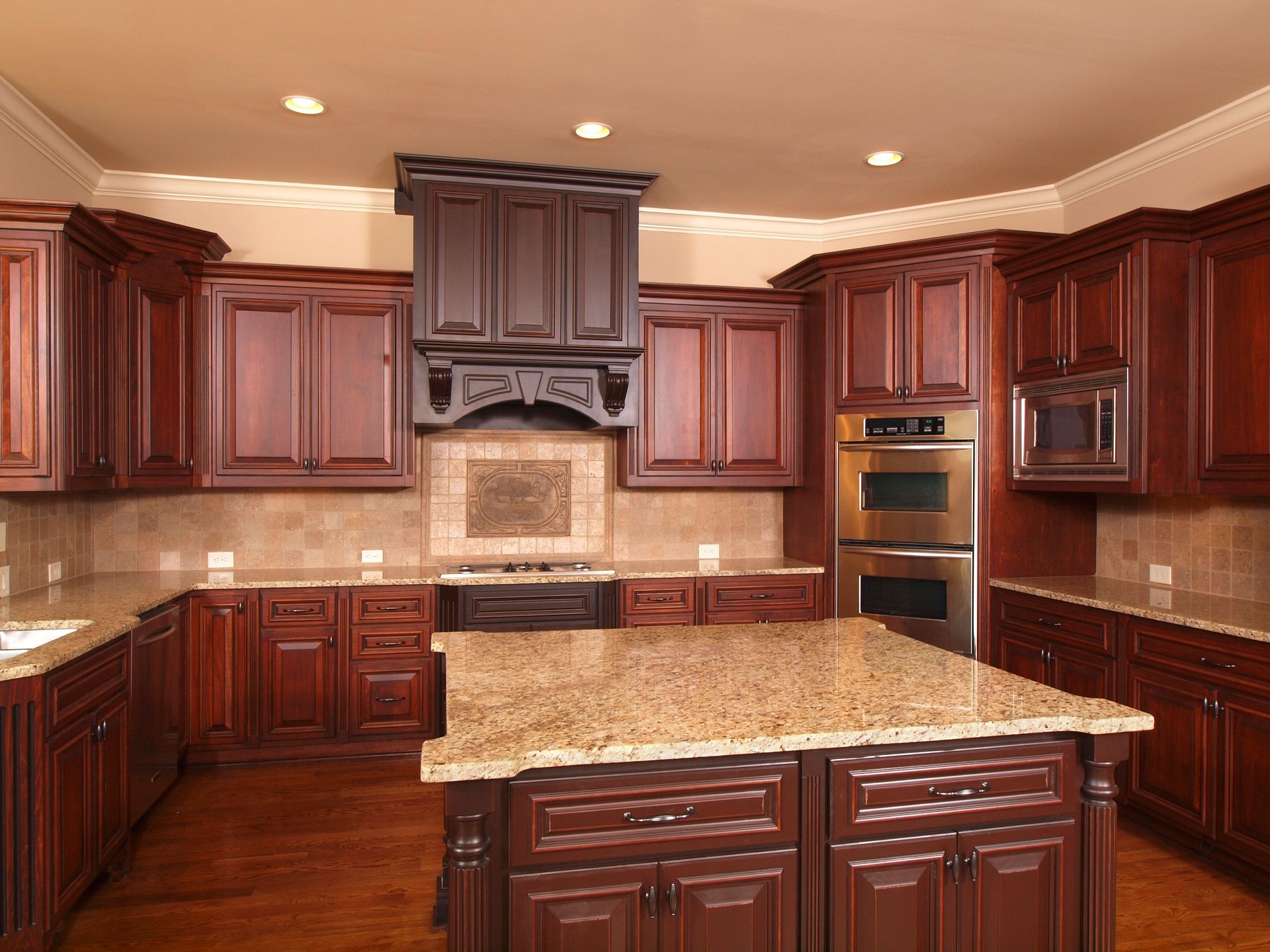
Countertops can become visually outdated as design trends and personal preferences evolve. What once fit a home’s style may eventually feel less aligned with current aesthetics.
Assess Mismatched With Current Decor
Changes in cabinetry, flooring, or wall finishes can sometimes leave existing countertops feeling mismatched. This can disrupt the overall visual balance of a space.
Selecting countertop materials that better align with current design elements helps create a more unified appearance. Coordinated finishes contribute to a more intentional and visually consistent interior.
Explore Updated Material Preferences
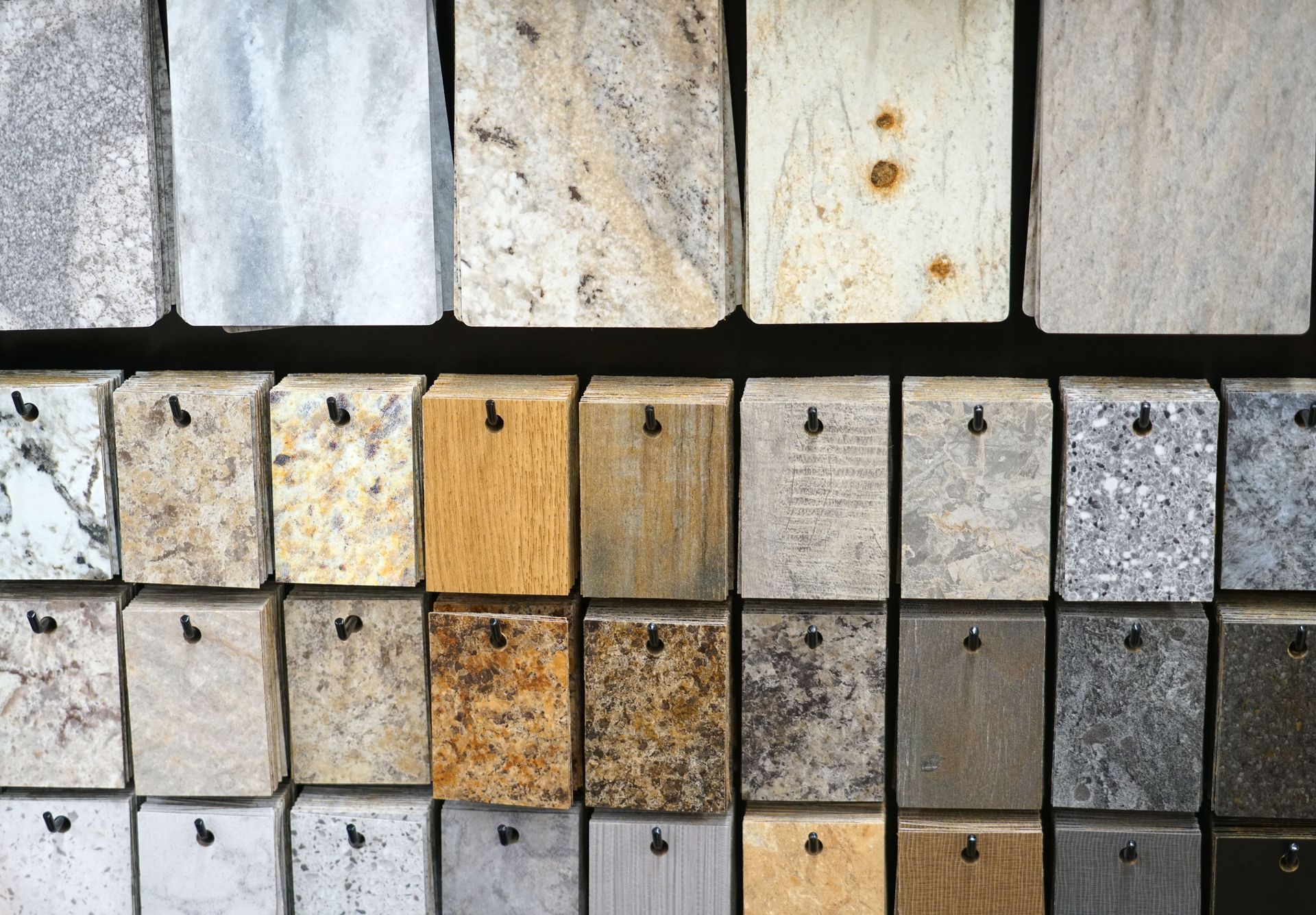
Many homeowners choose to replace countertops to take advantage of newer materials and finishes. Modern options provide a wider range of design possibilities along with improved performance characteristics.
Review Faded Colors
Over time, exposure to light and daily use can cause countertop colors to fade or lose their original vibrancy. This can result in a dull or uneven appearance across the surface.
Health Safety Assessment Of Concerns
Identify Mold And Mildew Concerns
Moist environments such as kitchens and bathrooms can sometimes develop mold or mildew on aging surfaces. These issues are typically associated with moisture retention and difficult-to-clean areas.
According to HomeAdvisor, replacing kitchen countertops can recover as much as 98.5% of the investment through increased home value. This type of investment is often considered when surfaces show signs of long-term wear or moisture-related issues. Replacing older countertops can help improve overall surface condition and usability.
Review Bacterial Buildup
Countertops that are difficult to clean thoroughly may allow bacteria to accumulate over time. This is more common in older or porous materials with deeper surface textures.
Upgrading to easy-to-clean materials can help improve overall kitchen hygiene. Non-porous surfaces are often preferred for their simple maintenance and consistent cleanliness.
Evaluate Sharp Edges And Safety Concerns
Older countertop designs may include sharper edges or corners that present safety concerns, especially in busy households. These areas can increase the risk of minor accidents during daily use.
Replacing countertops with smoother edge profiles can improve safety while maintaining a clean, finished look. Rounded or beveled edges are commonly used in modern installations.
Assess Material Condition Over Time
Some older countertop materials may degrade in ways that affect indoor comfort or cleanliness. Over time, wear and aging can impact both appearance and performance.
Upgrading to newer materials can help improve indoor surface quality and overall usability. Modern countertop options are designed with durability and ease of maintenance in mind.
Review Allergen Considerations
Countertops that are difficult to clean thoroughly may allow dust or allergens to accumulate. This can affect overall comfort in the home environment.
Choosing smooth, easy-to-clean surfaces can help reduce buildup and support a cleaner living space. Non-porous materials are often preferred for their low-maintenance characteristics.
Financial Evaluation Of Considerations
Compare Repair Vs Replacement
When evaluating countertop condition, it is often important to compare the ongoing cost of repairs with the investment required for replacement. Frequent repairs can accumulate over time and may become less practical.
In many situations, replacing the countertop can provide a longer-lasting solution and reduce future maintenance needs. This allows homeowners to invest in a more durable surface that better fits their long-term plans.
Assess Impact On Home Value
Updating countertops can contribute to the overall appeal of key living spaces such as kitchens and bathrooms. These areas often play an important role in how a home is perceived.
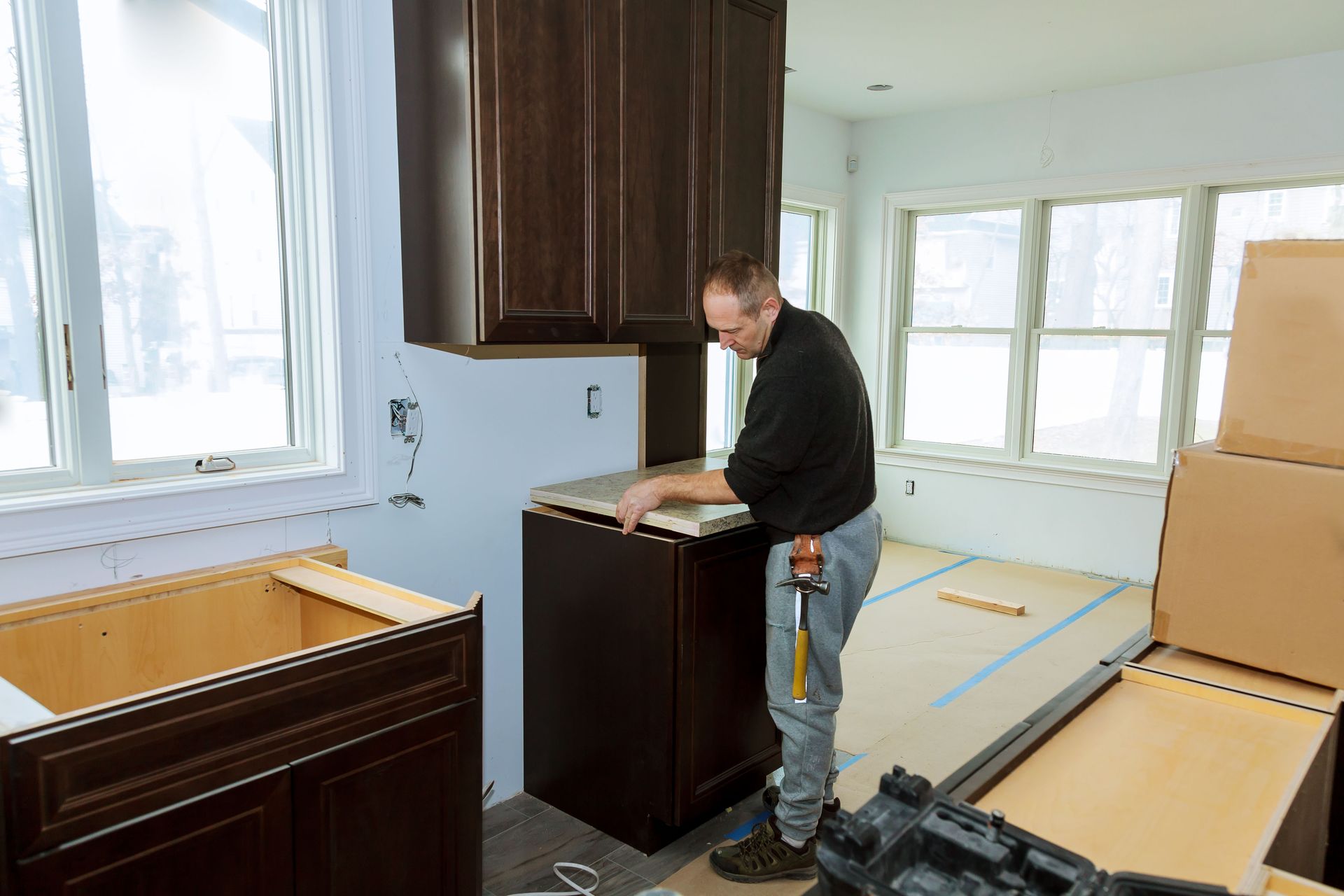
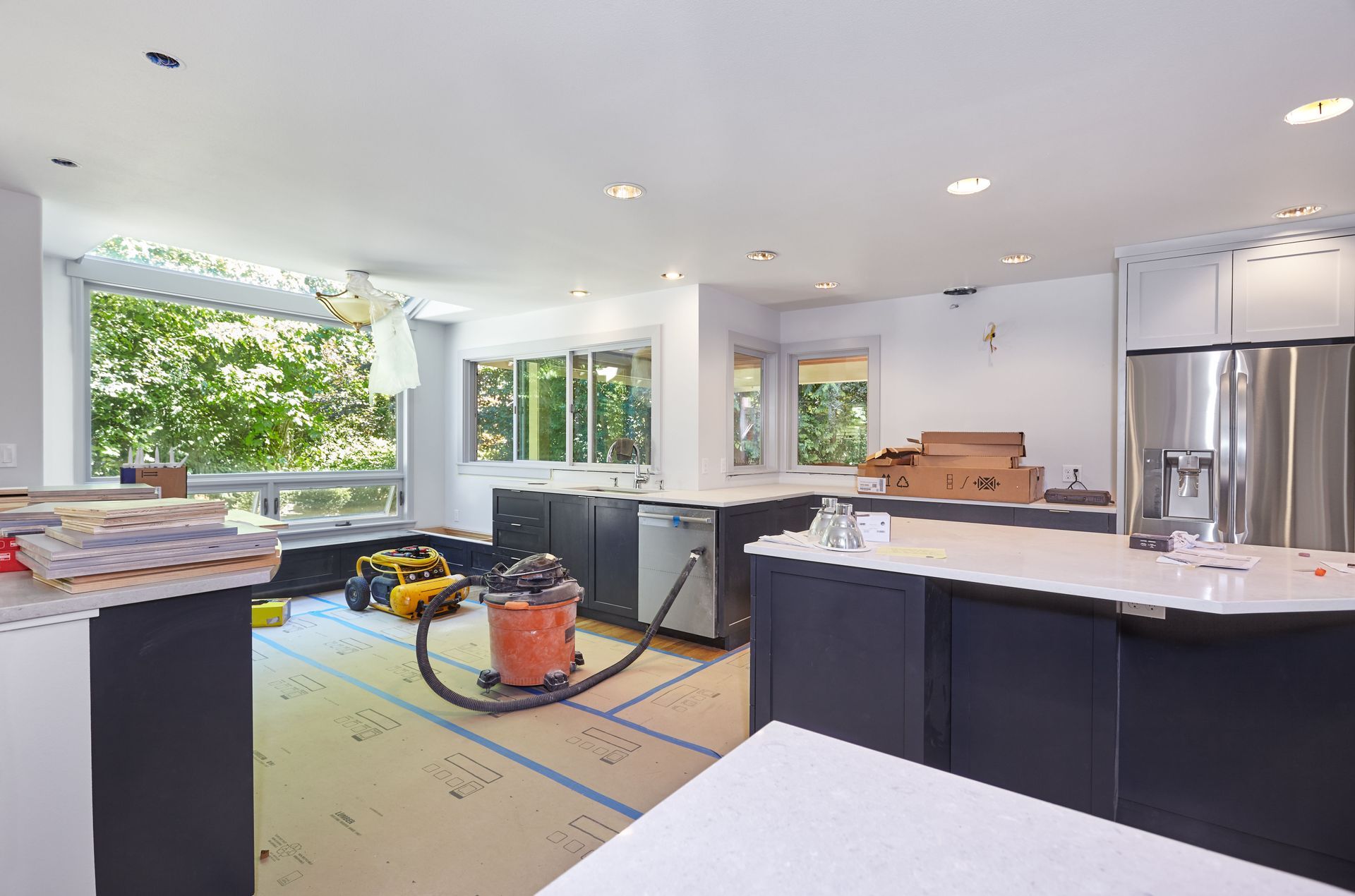
Replacing countertops is a core part of kitchen and bathroom improvement projects, often paired with cabinetry, tile, flooring, and backsplash updates to create a more cohesive space. These combined upgrades can significantly enhance both function and design.
For homeowners exploring countertop replacement or full kitchen and bathroom updates, CityRock Countertops provides a range of services centered on custom countertop fabrication, cabinetry, tile installation, and coordinated interior surface improvements. To learn more about available options and project support, homeowners can explore the services offered and see how different materials and designs can fit our space.











Share On: