
Edge Profiles, Finishes, and Details That Elevate Kitchen Countertops
A kitchen surface occupies a large visual area, but its character depends on more than color or material. The edge changes how substantial the surface appears, the finish influences the way it reflects light, and surrounding details determine whether it feels connected to the room. These choices can move a design toward modern simplicity, traditional elegance, or something more personal. Thoughtful coordination helps countertops become an intentional part of the kitchen rather than a surface selected in isolation.
Understanding the Role of an Edge Profile
An edge profile shapes the visible perimeter of the surface and affects how the eye reads its thickness. Clean, restrained profiles tend to support contemporary rooms, while more decorative contours can complement traditional cabinetry and architectural details. The edge is especially noticeable along islands, breakfast areas, and exposed ends where people see the surface from several directions. Selecting it early allows the rest of the design to develop around a clear visual language.
Choosing a Clean, Subtle Profile
A pencil round edge creates a lightly softened perimeter without adding heavy ornamentation. Its restrained shape works with many cabinet styles and allows bold stone movement or an expressive backsplash to remain the main visual feature. A 3/8-inch roundover offers a more noticeable curve while preserving a simple overall appearance. Both options can suit kitchens where clarity and versatility are priorities.
A 1/4-inch bevel provides another understated choice, replacing a rounded transition with a crisp angled detail. The bevel catches light along the perimeter and gives the surface definition without becoming elaborate. It can echo angular cabinet hardware, straight tile patterns, or the clean lines of a contemporary faucet. When comparing these options, homeowners can consider whether a soft curve or a sharper geometric accent better fits the room.
Adding Shape With Decorative Edges
An ogee edge introduces a more ornate silhouette through its curved profile. This detail can reinforce traditional cabinetry, formal architectural elements, or a kitchen designed around classic materials. Because the shape creates highlights and shadows, it draws more attention to the perimeter than a simple rounded edge. It works best when the surrounding features support that level of visual detail.
Demi bullnose and full bullnose edges offer different degrees of curvature. A demi bullnose rounds the upper portion while retaining more visual structure beneath it, whereas a full bullnose creates a continuously rounded face. Either can soften the appearance of countertops and complement rooms built around flowing forms. Viewing profile options with the selected material can make it easier to understand how each curve will interact with its pattern and color.
Using Finish to Influence Light and Mood
Surface finish changes how color, pattern, and ambient light are perceived. A polished finish reflects more light and can intensify the depth of natural stone, giving granite, marble, or quartzite a refined presence. Matte textures absorb more light and create a softer, quieter effect that suits modern, rustic, and transitional spaces. The right choice depends on the material and the atmosphere intended for the kitchen.
According to Global Growth Insights market data, consumer interest in matte and veined texture countertops increased by 30% as preferences shifted toward modern design. That interest reflects the appeal of surfaces that provide visual character without relying on excessive ornamentation. A matte background can make cabinetry and fixtures feel more grounded, while veining introduces movement across the work area. Finish and pattern should be considered together because each influences how strongly the other appears.
Letting Material Character Guide the Details
Granite offers natural variations in color and pattern, so its edge and finish can be selected to highlight the individual slab. Marble is known for flowing veining that can bring elegance to an island or perimeter surface. Quartzite combines natural movement with notable strength, making it useful when the design calls for a refined stone appearance in an active kitchen. Each slab should be viewed as a complete composition rather than judged from a small sample alone.
Quartz provides more consistent coloring and patterns, which can support a controlled, contemporary design. Soapstone contributes a soft texture, matte appearance, and character that develops over time. Travertine, limestone, and glass offer additional possibilities for surfaces or coordinated design features. Understanding these distinctions helps prevent an edge or finish from competing with the material's defining qualities.
Coordinating Veining and Pattern Direction
Natural movement can guide the eye through a kitchen, particularly across an island or another uninterrupted surface. The placement of prominent veins and color shifts affects which sections become focal points. During custom fabrication, the shape and measurements of the space can be considered alongside the visual character of the selected slab. This coordination allows distinctive markings to contribute to the design instead of appearing accidental.
Integrating Sinks and Fixtures
Sinks and faucets are functional necessities, but they also influence the appearance of the surrounding surface. Sink shape, size, and placement affect how much uninterrupted workspace remains and how the eye moves across the counter. Faucet style and finish can either reinforce the edge profile or provide a controlled contrast. Coordinating these selections keeps practical features from feeling like afterthoughts.
Customized sink options and name-brand fixtures provide opportunities to connect function with the overall design. A streamlined faucet may complement a pencil round or beveled edge, while a more detailed fixture can suit an ogee or bullnose profile. Accurate measurement and professional installation are important because the surface, sink, and fixture must fit together as a complete arrangement. Planning these elements at the same time supports both visual unity and everyday use.
Connecting Backsplashes and Accent Walls
A backsplash creates a transition between the horizontal work surface and the vertical wall. It can repeat colors found in the slab, introduce contrast, or extend a material theme upward. Accent walls provide another way to carry texture and pattern beyond the main surface. When these features are coordinated with countertops, the kitchen gains depth without losing cohesion.
Balance remains important when several design elements have strong patterns. Dramatic veining may pair well with a quieter backsplash, while a restrained surface can support a more expressive wall treatment. Cabinet color, hardware, lighting, and fixture finishes also influence the relationship. Considering the full group of materials prevents one selection from overwhelming the rest of the room.
Turning Design Choices Into a Precise Installation
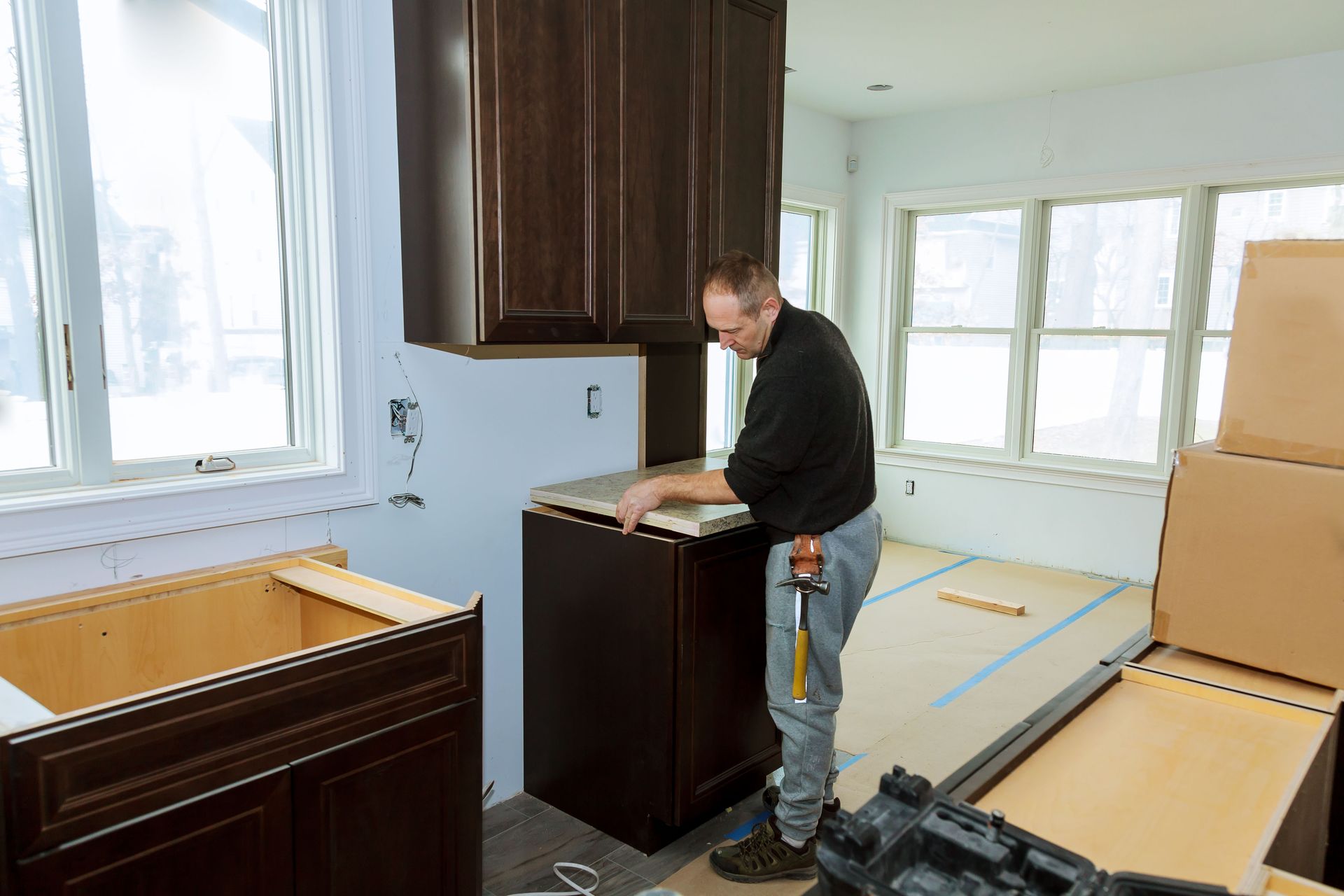
Even carefully selected details depend on accurate fabrication and placement. In-home measurements and template creation establish the angles, dimensions, cutouts, and edges required for the space. Fabrication then translates the design into the selected material before the existing surface is removed and the new one is installed. Quality control and follow-up help confirm that the completed work reflects the approved plan.
Custom countertops can be shaped for kitchens, islands, wet bars, laundry rooms, and outdoor cooking areas. The same attention to fit applies whether the project uses granite, marble, quartz, quartzite, or soapstone. Coordinating measurements, material selection, edge profile, finish, sinks, fixtures, and adjacent features produces a more unified result. These details collectively determine how the surface looks, functions, and relates to the room.
An elevated kitchen design comes from choices that reinforce one another, allowing the surface to feel distinctive without becoming disconnected from the room. When profile, finish, material movement, and surrounding features are considered together, the finished installation gains both personality and visual coherence. At CityRock Countertops, we offer custom fabrication and installation, six edge-profile options, multiple premium materials, and design guidance for Raleigh-area properties. To learn more, get in touch with our team!












Share On: